
NFPA 72 requires sensitivity testing within one year of installation and every two years after, but separately from that, most smoke detectors carry a maximum service life of about ten years from their manufacture date and must be replaced at that point even if they still pass every test.
Standard fire alarm devices need a manual visual inspection twice a year, but a listed addressable system that runs its own automatic checks at least weekly can shift that manual inspection down to once a year, since the system is already producing a documented self-test record.
The city tracks alarm activity through an alarm registration and false alarm reduction framework enforced through the police department, and a documented pattern of false activations at one address can lead to escalating fines separate from any fire marshal inspection findings.
A property manager overseeing a 24-unit walk-up near Wooster Square called Mammoth Security last year with a familiar problem. The building's fire alarm system had been patched together over three decades, part conventional, part addressable, with zone labels that no longer matched the units behind them. The fire marshal flagged it during a routine inspection. That single visit turned into a full system replacement, because half measures do not satisfy New Haven's fire alarm installation rules once a violation is on record. Fire alarm system installation for multi-family buildings in New Haven is governed by a stack of overlapping codes, and understanding how those rules apply to an occupied residential building, rather than an empty office suite, changes almost every design decision.

New Haven's older housing stock sets the tone for how fire alarm installation actually plays out here. Many buildings near downtown, Wooster Square, and the Yale-adjacent blocks of Westville date to the 19th century, with plaster walls, narrow stairwells, and floor plans that predate any fire code at all. A fire alarm system installation in one of these buildings has to work around original structure while still meeting the Connecticut State Fire Safety Code and NFPA 72, the National Fire Alarm and Signaling Code that governs how fire alarm systems are designed, installed, tested, and maintained across the country. NFPA 101, the Life Safety Code, adds another layer specific to residential occupancies, covering things like protected exit paths and the separation between sleeping areas and common corridors.
The reason apartment buildings draw extra scrutiny is straightforward. People sleep in them. A commercial office can be evacuated by a receptionist walking the floor. An apartment building at 2 a.m. needs a notification system loud enough to wake someone through a closed bedroom door, on every floor, without a single dead zone. That requirement alone reshapes fire alarm system installation from a checklist exercise into a building-specific design problem.
Fire alarm installation in a residential building starts with a choice between a conventional system, where an entire zone reports as one signal, and an addressable system, where every individual device, whether it is a smoke detector, heat detector, or pull station, reports its own identity back to the panel. For a small four-unit building, a conventional panel with clear zone separation between floors can still meet code and keep costs down. For anything larger, an addressable fire alarm control panel earns its cost back the first time a technician needs to locate a faulted device without walking every hallway in the building.
Mammoth Security designs most New Haven multi-family fire alarm installations around DMP and Honeywell addressable panels, both of which support the kind of zone-by-unit programming that apartment buildings need. A DMP panel programmed unit by unit means a smoke detector fault in unit 3B shows up as unit 3B, not as "third floor," which matters when a technician is standing in the hallway trying to find the source of a trouble signal at 11 p.m. Potter and Kidde detection devices round out the equipment mix depending on what a given building already has installed and what its insurance carrier expects to see documented.
The rules around where smoke and heat detectors go inside individual apartments differ from the rules for common areas, and getting this wrong is one of the most common violations Mammoth Security finds when it takes over from a prior installer. Kitchens need heat detectors rather than smoke detectors in most cases, because cooking smoke and steam trigger nuisance alarms on photoelectric or ionization smoke sensors. Bedrooms and living rooms take standard smoke detectors. Mechanical rooms, laundry rooms, and any space with elevated dust or humidity often call for a heat detector or a combination unit rated for that environment.
Hallways and stairwells, which NFPA 72 and the Connecticut State Fire Safety Code treat as protected egress paths, need their own detection and notification coverage independent of what happens inside individual units. A fire alarm system installation that only covers apartments and skips the connecting stairwell will not pass a New Haven fire marshal inspection, because the stairwell is the one path every resident depends on to get out.
Horn and strobe notification appliances have to reach a specific decibel level inside sleeping rooms with the door closed, which is a stricter standard than what applies to a retail floor or an open office. In a multi-family building, that usually means notification devices mounted inside individual units, not just in the hallway outside. Larger New Haven apartment buildings, particularly those over a certain height or unit count, may also need voice evacuation, where a recorded or live voice message gives residents specific instructions rather than a generic horn tone. Voice evacuation becomes more common in high-rise or high-occupancy buildings where a horn alone cannot convey which stairwell to use or whether to shelter in place.
Manual pull stations get placed at every exit and at intervals along egress paths, positioned so a resident does not have to travel far in a smoke-filled hallway to activate the system. Duct detectors monitor HVAC systems in buildings with shared air handling, since a fire in one unit can spread smoke through ductwork into units that have no direct fire exposure at all.
Apartment buildings generate more false alarms than almost any other occupancy type, usually from burnt toast, steam-heavy showers near a hallway detector, or a resident who does not realize a heat detector belongs in the kitchen instead of a smoke detector. New Haven, like most Connecticut municipalities, tracks alarm activity and can escalate repeated false alarms into fines under local nuisance alarm provisions enforced through the fire department and police department. A property with a documented pattern of false alarms also draws more attention during its next fire marshal inspection, which is the last thing a property manager wants when the building already has other items to correct.
Correct device selection by room type solves most of this before it starts. A kitchen with a heat detector instead of a smoke detector eliminates the single most common source of nuisance activations in a residential building. Central station monitoring that distinguishes between a real alarm condition and a trouble signal also reduces unnecessary fire department dispatches, since a monitored system can flag a detector fault as a maintenance issue rather than an emergency.
Fire alarm system installation in a New Haven apartment building goes through the Office of the State Fire Marshal's framework as applied locally by the New Haven Fire Marshal's office. That means submitted plans, a rough-in inspection before walls close up, and a final acceptance test once the system is complete and programmed. For a building with existing tenants, this sequencing matters. Rough-in inspections have to happen before drywall goes back up, which means the installation schedule has to be coordinated around occupied units rather than an empty shell.
A property manager should expect a design phase that documents zone counts, device placement by room, and notification coverage before installation starts, followed by rough wiring, device mounting, panel programming, and a final commissioning test witnessed by the fire marshal's office. Mammoth Security handles that documentation and permitting coordination directly rather than leaving a property manager to chase down a fire marshal's office on their own, which is often the difference between a project that clears inspection on the first visit and one that gets sent back for corrections.
A fire alarm system installation that passes its first inspection can still fall out of compliance within a year if nobody tests it. NFPA 72 sets a testing and inspection cycle for fire alarm systems, and Connecticut properties are expected to keep documentation showing that cycle was followed. For an apartment building, that typically means an annual full system test covering every detector, pull station, and notification device, plus periodic checks of the backup battery system that keeps the panel operating during a power outage.
Battery backup deserves specific attention in residential buildings because a fire alarm system that goes silent during a power outage is worse than having no system at all, since residents may assume the building is protected when it is not. Mammoth Security's fire alarm inspection service checks battery condition, verifies backup runtime, and documents results in a format that satisfies both the fire marshal's office and a property's insurance carrier during a policy review.

Housing authorities and any apartment property receiving federal or Connecticut state funding face an additional layer that private apartment owners do not. Section 889 of the National Defense Authorization Act restricts certain manufacturers, mainly in the video surveillance space, from federally funded installations, and property managers overseeing a mixed portfolio sometimes assume that restriction extends to fire alarm equipment. It does not directly govern fire panels the way it governs cameras, but any building that is federally or state funded and adding integrated security alongside its fire alarm work, meaning access control or surveillance tied into the same system, needs NDAA-compliant equipment like Avigilon, Axis, Hanwha Vision, ExacqVision, or Milestone rather than restricted manufacturers. A privately held apartment building with no federal or state funding retains the option of a cost-effective Hikvision camera system if video is part of the project, but a housing authority building generally does not have that flexibility.
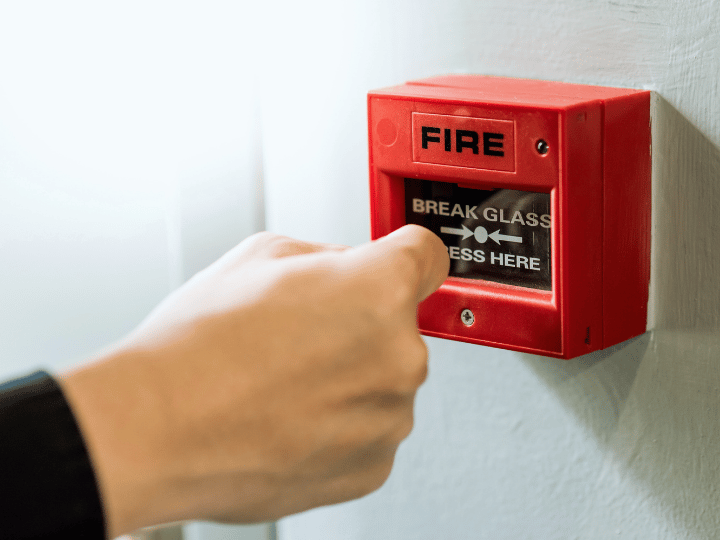
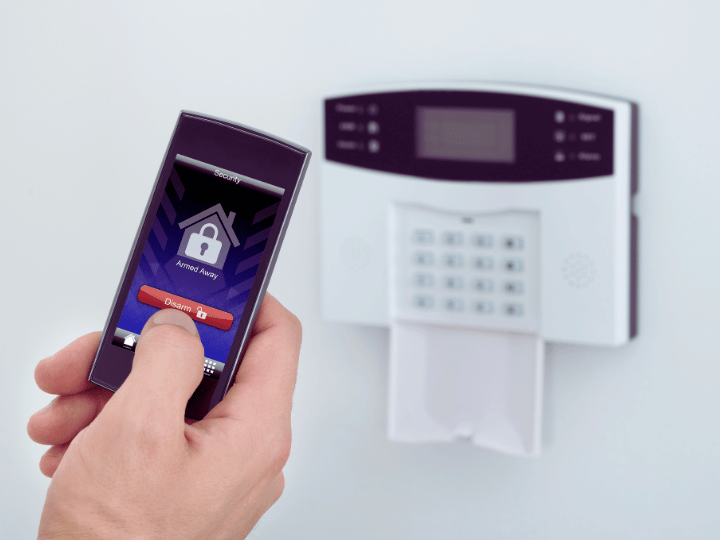
Apartment buildings rarely need fire alarm work in isolation. A property manager dealing with fire alarm installation is often the same person fielding requests for apartment door electronic locks that survive constant tenant turnover, a business intercom at the main entrance, and burglar alarm monitoring for common areas. Handling all of it through one documented system, rather than a fire alarm contractor, a separate access control vendor, and a third company for cameras, means one central station, one point of contact when something fails, and one company that already understands the building's zone layout when a resident calls about a door that will not secure at midnight. Mammoth Security's four Connecticut locations in New Haven, Bantam, Norwalk, and New Britain support that single-vendor model statewide, so a property management company with buildings across several counties is not managing four separate contractor relationships for four separate cities.
A completed fire alarm system installation should leave a property manager with a written zone map matching the panel's programming, documentation of every device by unit and room type, a copy of the fire marshal's final acceptance sign-off, and a clear testing schedule going forward. A system that meets NFPA standards and passes inspection is the baseline. What separates a durable installation from one that generates repeat service calls is whether the original design accounted for how residents actually use the building, where cooking smoke collects, where a stairwell door gets propped open on a hot day, and where a maintenance closet generates enough dust to eventually trip a standard smoke detector.
Mammoth Security has worked through exactly these conditions across New Haven's older multi-family stock and its newer construction near Long Wharf and the Yale-adjacent development corridor, and the company designs fire alarm system installation around the building as it actually operates, not around a generic template. Property managers, housing authorities, and condominium associations across New Haven and the surrounding towns of West Haven, East Haven, Hamden, and Branford who need a fire alarm system installation reviewed, upgraded, or brought current with New Haven's fire alarm installation rules can request a free security assessment from Mammoth Security. The team walks the building, documents what the current system does and does not cover, and puts together a written plan before any work begins. Call (203) 747-8244 to schedule that walk-through and get a fire alarm system installation designed around the building New Haven residents actually live in.
Redirect to:
|
This page is a redirect. The following categories are used to track and monitor this redirect:
|